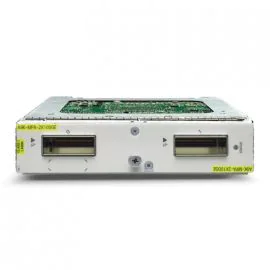
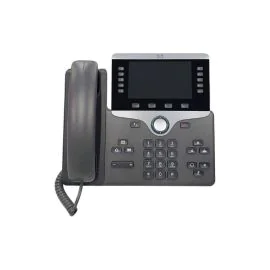
GNTME / Product catalogue

GNTME / Product catalogue
Used IT products provide businesses with a cost-effective way to expand, upgrade, and maintain their technology infrastructure without the high investment associated with purchasing brand-new equipment. Many organizations choose refurbished and pre-owned enterprise hardware to extend the life of existing networks, support legacy systems, reduce downtime, and optimize IT budgets while maintaining reliable performance.
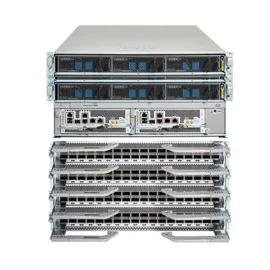
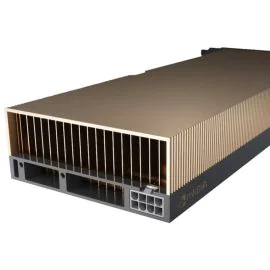
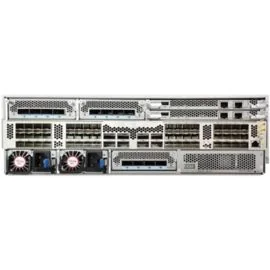
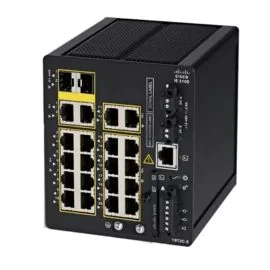
At Gear Net Technologies LLC, we offer a wide range of used and refurbished IT equipment sourced from trusted enterprise environments. Our inventory includes networking equipment, servers, storage systems, security appliances, wireless solutions, and communication hardware from leading technology manufacturers. Every product undergoes inspection and testing procedures to help ensure reliability and operational readiness before deployment.
The demand for used enterprise hardware continues to grow as organizations seek practical alternatives to costly infrastructure upgrades. Refurbished equipment can deliver excellent value while providing compatibility with existing environments and extending the lifecycle of critical IT investments.
We supply a comprehensive selection of pre-owned enterprise technology products to meet diverse business requirements across multiple industries.
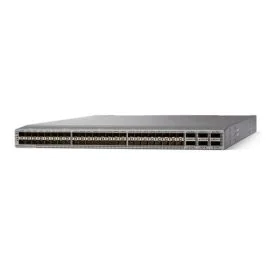
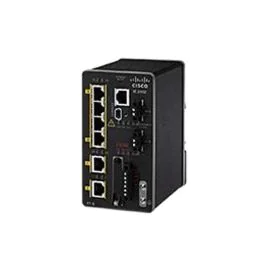
Choose from a wide range of used managed and unmanaged switches designed for campus networks, branch offices, data centers, and enterprise environments. Available options include Gigabit Ethernet, Multi-Gigabit, PoE, and Layer 3 switching solutions.
Our inventory includes enterprise and branch routers suitable for WAN connectivity, VPN deployments, internet edge routing, and secure remote access requirements.
Businesses can reduce security infrastructure costs by selecting quality used firewall appliances from leading cybersecurity vendors while maintaining strong network protection.
Refurbished rack, tower, and blade servers offer dependable performance for virtualization, databases, business applications, file services, and cloud workloads.
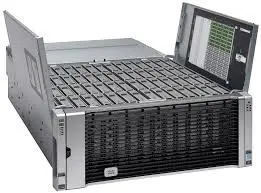
Enterprise storage solutions provide scalable capacity for backups, archiving, virtualization, and business-critical data management.
Access points, wireless controllers, and WLAN management solutions help organizations build reliable wireless networks while minimizing deployment costs.
Organizations can allocate IT budgets more effectively by purchasing high-quality used equipment at a fraction of the original cost.
Many businesses continue to rely on specific hardware platforms that are no longer available through traditional distribution channels. Used equipment provides access to these critical systems.
When unexpected hardware failures occur, used products often provide faster replacement options compared to waiting for new hardware procurement cycles.
Reusing enterprise hardware contributes to sustainability initiatives by reducing electronic waste and extending the useful life of technology assets.
Before purchasing used enterprise hardware, organizations should evaluate compatibility, performance requirements, scalability, warranty options, software support, and future growth plans. Choosing equipment that aligns with existing infrastructure helps maximize return on investment while minimizing deployment challenges.
Working with an experienced supplier can simplify the selection process and ensure businesses obtain reliable solutions that meet operational requirements.
Yes. Quality used enterprise hardware is typically inspected, tested, and verified before being offered for deployment in business environments.
Used networking equipment helps organizations reduce costs while maintaining performance and compatibility with existing infrastructure.
Yes. Many end-of-life and discontinued products remain available through reputable suppliers specializing in enterprise technology.
Businesses looking to optimize budgets, maintain legacy environments, support disaster recovery plans, or quickly replace failed hardware can benefit from used equipment solutions.
Common categories include switches, routers, firewalls, servers, storage systems, wireless equipment, communication devices, and networking accessories.
Many organizations successfully deploy refurbished enterprise hardware in production, testing, backup, and expansion projects when sourced from reliable providers.
Refurbished products offer lower acquisition costs, faster availability, access to discontinued models, and support sustainability initiatives.
Yes. Many organizations use pre-owned enterprise hardware to expand networks, increase capacity, and support growing operational requirements while controlling expenses.